

What Is Voice Cloning?
Voice cloning uses AI to recreate a person's voice from a short sample, then read any text aloud in it. Learn how it works, uses, and ethics.
What Is Voice Cloning?
Voice cloning uses AI to copy a real person's voice. It learns the voice from a short recording. Then it can read any new text aloud in that voice. It does not make a robot voice. It captures what makes a person sound like themselves. That means their tone, pitch, accent, and rhythm. Then it plays that voice back on demand.
Here is how it works in plain terms. You give the system a sample of someone talking. An AI model studies what makes that voice special. The system can then turn typed words into speech. The speech sounds like the real person. This idea powers many tools. It reads audiobooks aloud. It also gives a voice back to people who have lost theirs.
How does voice cloning work?
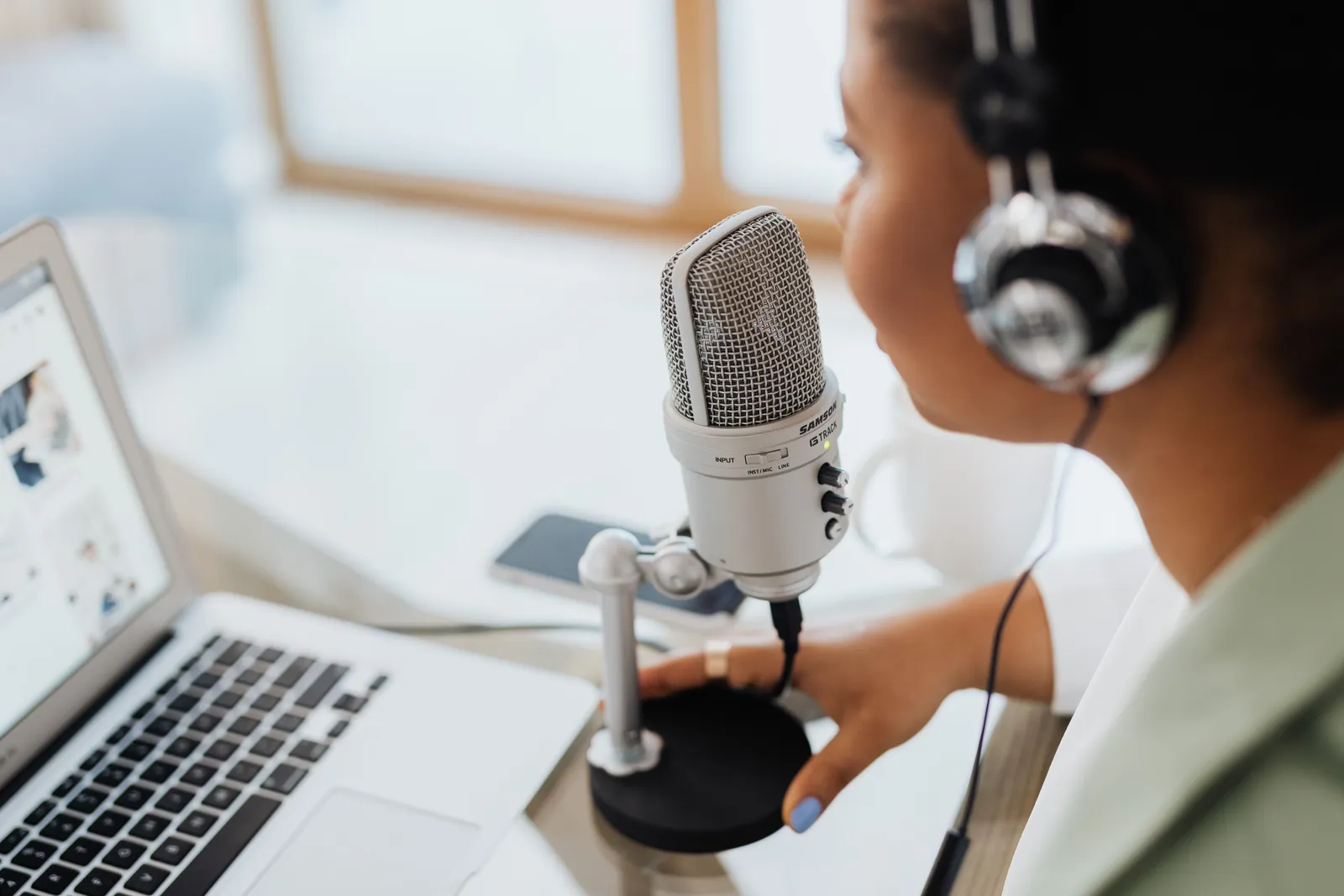
Voice cloning trains an AI model on a recording of a voice. The model then turns text into speech that sounds like the speaker. The process usually has four steps:
- Collect an audio sample. You record or upload a clear clip of the voice. Fast "instant" cloning can work from one to five minutes of audio. Higher-quality cloning usually needs more audio. More audio helps it sound closer to the real voice.
- Analyze the voice. Deep-learning software studies the recording. It pulls out the traits that make the voice easy to recognize. These include tone, pitch, accent, pacing, and style. The traits are saved as a voice model. (Deep learning is AI that finds patterns in data.)
- Generate speech from text. A text-to-speech (TTS) system uses the voice model. It turns written words into spoken audio. You type a sentence. The system speaks it in the cloned voice.
- Fine-tune the output. Many tools let you adjust how it sounds. You can change emphasis, pacing, and emotion. Some tools can even speak in other languages. The voice still keeps its own character.
The core idea is simple. A short sample becomes a voice model you can reuse. That model can then read any new text in the same voice.
What is voice cloning used for?
Voice cloning has many helpful uses when you have the speaker's permission:
- Narration and content creation. Creators use a cloned voice for videos, podcasts, and courses. They do not have to re-record each script. One narrator stays the same across a long series.
- Video and marketing. Teams make explainer videos, training, and updates by editing text. There is no need to book a new recording session. The voice stays the same in every version.
- Localization and dubbing. A cloned voice can speak many languages. It still keeps the original speaker's character. This helps brands and studios reach new audiences. They skip hiring new voice talent for each market.
- Accessibility and voice preservation. Some health conditions affect how a person speaks. Those people can save a copy of their own voice. They use it on speech devices to talk. This helps them keep a voice that sounds like them.
In each case, the value comes from scale and consistency. You record once. Then you reuse the voice responsibly across many projects.
Is voice cloning safe and legal?
Voice cloning is legal when you have clear, informed consent. That means the person agrees to have their voice cloned. It becomes a problem when a voice is copied without permission. This is worse for commercial use or to fool people.
A few general rules apply:
- Consent. The person should give clear, written permission. The permission should say how the voice will be used, stored, and shared. Some places require written consent before any voice data is collected.
- Right of publicity. Many places treat your voice as part of your identity. Using someone's voice for profit without permission can break the law. This also covers a close imitation of their voice. Some U.S. states have laws that cover synthetic voices directly.
- Disclosure. Tell people when audio is made by AI. This builds trust. It is now expected, and some places may require it.
Laws differ by region and change fast. So this article is for general education only. It is not legal advice. For your own situation, please talk to a qualified attorney.

Risks and how to use voice cloning responsibly
The realism that makes voice cloning useful can also be abused. The main risks include:
- Scams and fraud. Bad actors can fake a relative, boss, or official. They use this to pressure people into sending money. They may also push victims to share private information.
- Non-consensual clones. Cloning a voice without permission can cause harm. It can enable impersonation, lies, defamation, or identity abuse.
- Erosion of trust. When audio can be faked well, people doubt real recordings too.
To use voice cloning responsibly:
- Only clone a voice you own or have clear permission to use.
- Keep records of consent. Respect any limits the speaker sets.
- Disclose when audio is made by AI so listeners are not misled.
- Choose tools that protect your data. Look for provenance signals like C2PA content credentials. (Provenance signals show where audio came from.)
How Kyndrify approaches voice cloning
Kyndrify offers consent-based voice cloning as part of building your Twin. You clone your own voice from a short audio sample. Recorded likeness consent is required, and customers keep ownership of their uploads and generated renders subject to the Terms, other rights, and applicable law. That ownership is not blanket copyright clearance or proof of commercial-use entitlement, so confirm your rights and current plan before commercial use. Kyndrify states it does not use customer photos, voice, scripts, or finished media to train a Kyndrify model, though necessary service providers process data for requested jobs under applicable terms. Signed Content Credentials and invisible provenance are rolling out and are not guaranteed on every file, per the Responsible AI page. You can start on the Free plan with no credit card required. Free uses preset avatars and voices for renders and includes 8,400 one-time signup credits that never expire. Custom own-face rendering and voice cloning are on an eligible plan such as Plus.
Frequently asked questions
What is voice cloning in simple terms? Voice cloning is AI that learns a person's voice from a recording. It can then read any text aloud in that voice. It copies a real voice instead of making a generic one.
How much audio do you need to clone a voice? Fast cloning can work from one to five minutes of clear audio. Higher-quality results usually need more recording. Cleaner audio leads to a more natural voice.
Is voice cloning legal? It is usually legal when you clone your own voice. It is also legal with clear, informed consent from the speaker. Cloning a voice without permission can break privacy and right-of-publicity laws. This is worse for commercial or deceptive use. This is not legal advice.
Can voice cloning be detected? Detection tools exist, but they are not perfect. That is why disclosure and provenance signals like C2PA content credentials matter. Marking AI-generated audio helps people know what they hear.
Is it safe to clone my own voice? It can be safe with the right service. Pick one that gets your consent and discloses AI output. It should also keep your data out of its training. Check a provider's privacy and data practices before you upload your voice.
Get started responsibly
Want to clone your own voice the right way? Explore Kyndrify's consent-based approach. You can start on the Free plan with no credit card required. Free uses preset avatars and voices for renders and includes 8,400 one-time signup credits. Free can build one Starter Twin and view a short preview, but custom own-face rendering and voice cloning require an eligible plan such as Plus.
Related reading
More from Kyndrify

Make your first video without filming.
Say what you need and the studio makes it: video, images, voices. Start free, no credit card.