

AI Video for Florists
A source-checked workflow for florist videos, including flower facts, imports, substitutions, imagery rights, environmental claims, and updates.
AI Video for Florists
A florist can use an approved AI Twin for an owner welcome, season note, care note, or event-service overview. The Twin reads a script. It does not check the flower, source, shade, stem count, size, vase, swap rule, price, stock, cutoff, drop-off, care, or event facts. Those claims need current shop records. This guide gives you a checked release plan.
What an AI twin can and cannot do
The Kyndrify talking-head video page documents script-to-talking-head video with a Twin that reads a user-supplied script. Setup uses a headshot and a short voice clip. Each Render provides a download and hosted link. Longer scripts can be split and stitched. The Kyndrify Responsible AI page documents recorded consent, AI disclosure, and rolling Content Credentials and invisible provenance.
The cited pages do not document florist templates, catalog, point-of-sale, order, stock, or delivery links. They also do not document product photos, B-roll, an Ad Creator, sourcing or import checks, care review, analytics, render speed, or order and revenue outcomes. Treat each undocumented item as unconfirmed. Kyndrify does document a Free plan that uses preset avatars and voices, ten speech and dubbing languages, and Plus talking-head video up to 1080p. The Responsible AI page states that Kyndrify does not use customer photos, voice, scripts, or finished media to train a Kyndrify model, and the security page states that Kyndrify is not HIPAA-eligible. Paid-plan commercial-use wording and Terms ownership are documented but are not blanket clearance.
A practical arrangement-video workflow
Choose one product or event, date, audience, and channel. Freeze the flower and greenery identity, source, origin, import check, color, stem count, size, container, substitution rule, price, stock window, order cutoff, delivery area and time, care note, event facts, and any environmental claim. Give each source an owner and timestamp.
Compare the imagery with the approved arrangement. Label a concept visual as inspiration, not as proof of the final item. Record the rights or permission for the design, photo, venue, client, and recognizable guests. If a testimonial appears, keep its source and context. The FTC endorsement guide says endorsements must be truthful and not misleading. A material connection may need clear and conspicuous disclosure.
Confirm each origin and shipping claim. USDA APHIS regulates plant imports, including live plants, cuttings, seeds, cut flowers, greenery, and related goods. The exact rule can depend on the item, origin, use, pest status, and current conditions. APHIS guidance on regulated plant material notes that cut flowers and bouquets can be regulated. Marketing copy cannot prove that an item may cross a border.
Approve the script, render, and watch the full output. YouTube's altered-content policy requires disclosure when altered or synthetic content appears realistic. Do not present a generated arrangement, color, stem count, venue, florist, or customer as real finished-work evidence. Save the version, set a short expiry, and name the takedown owner.
Check the substitution message
A flower shop may need to swap a stem, shade, or vase. The video must not hide that chance. Start with the live shop rule. Note what may change and who can approve the swap. Keep the rule with the item record.

Now read the script. Does it sound like each stem, shade, count, and vase is fixed? If so, check that the shop can support that claim for the full life of the clip. If not, use words that match the live rule. Do not let a bright image turn a broad rule into an exact promise.
Place the key limit where a buyer can see it. A link can help, but the main claim must still be true. Do not put the limit far from the item name, price, or call to buy.
Check the source date. A rule from last year may not match the shop today. A note from one event may not fit a new order. Give the rule an owner and a short review date during a busy season.
Test the change path. If a stem is no longer in stock, find each post, page, email, and clip that names it. Update or pull stale media. Save the old and new text with the time of the change.
Check what the image seems to prove
View the clip with no sound. Ask what a buyer may think is real. Does the image look like the exact item for sale? Does it imply an exact color, size, count, room, table, wedding, or guest? Write down each claim made by the image.
Match each real-work image to its source. Keep the file, date, item, design, and rights note. Check that the shop may use the work in the planned ad or post. A right to keep a client photo is not always the same as a right to use it in a new ad.
If the image is a concept, say so in plain words. Put the note near the image. Do not call it a past job, client order, or final item. Do not use a concept shot as proof of stock, skill, or a result.
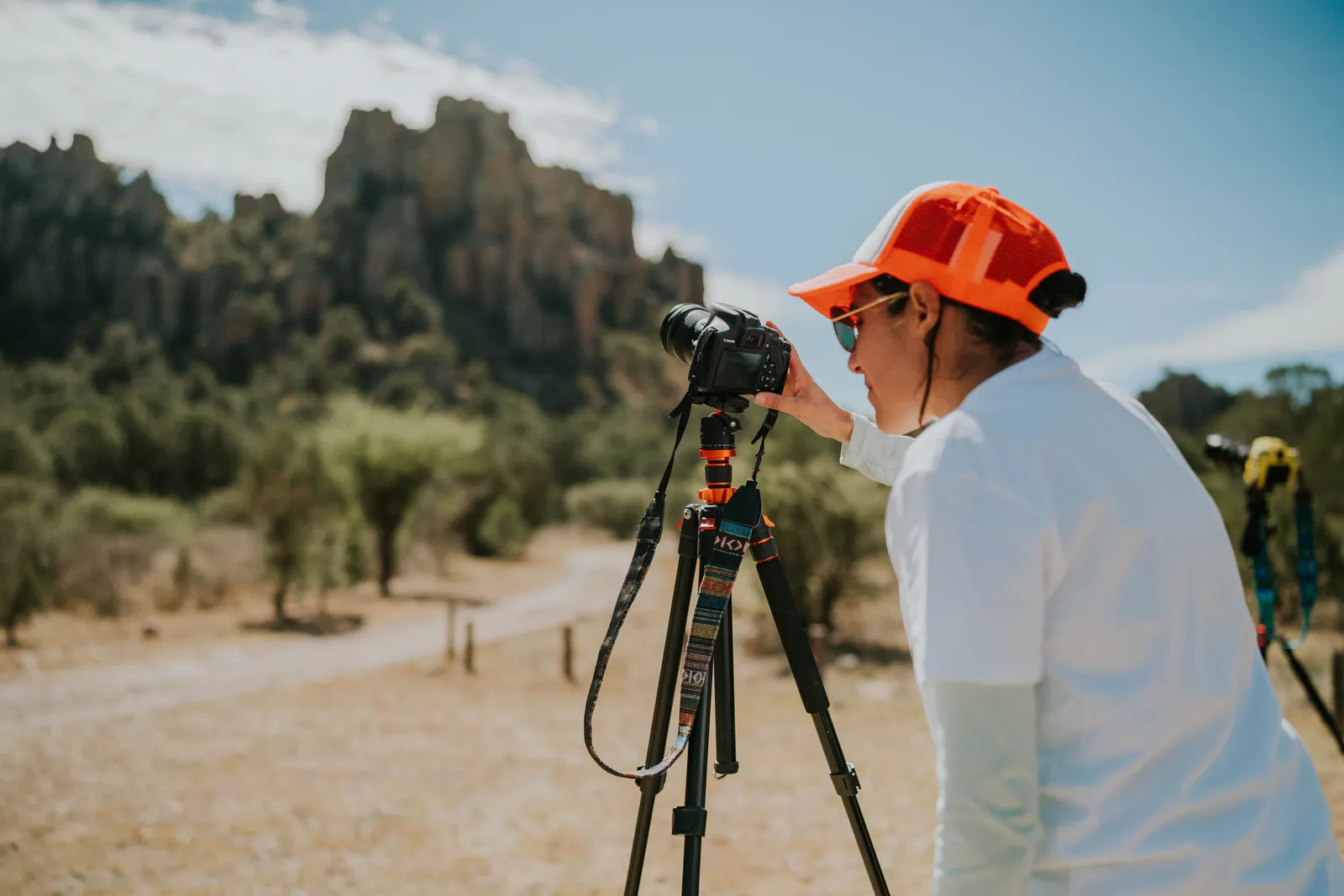
Check the people and place too. A venue, client, guest, worker, or child may need a separate rights review. Crop or replace the shot when the planned use is not clear.
Last, compare the final render with the approved file. Make sure the crop, color, text, and cut did not change the claim. If the image or script changes, run the check again and save a new sign-off.
A release record that protects your shop
Keep one record for each video. Include the item or event, version, audience, and channel. Add source owners and timestamps for identity, origin, import, color, stem count, size, container, substitutions, price, stock, cutoff, delivery, and care. Save environmental evidence and the rights record for the designer, photographer, venue, client, and guests. Add the testimonial context, material connection, platform notice, approvals, expiry, archive, replacement link, and takedown owner. The record supports review; it does not make a claim true by itself.
What consent and credentials do not prove
Recorded consent proves only the permission that was recorded. Content Credentials carry provenance data, and an AI label identifies the disclosed AI use. These controls do not prove flower identity, sourcing, import status, stock, substitutions, delivery, care, environmental benefit, customer or venue permission, imagery truth, or platform compliance. Verify each item with its own source.
A fictional seasonal-order reminder
This example uses placeholders only. It makes no real claim about a florist, flower, origin, design, color, count, container, price, stock, cutoff, delivery, care, environment, event, client, review, order, or result.
"Hello from [shop name]. This is a seasonal note for [verified item or service]. As of [source timestamp], our approved catalog lists [verified flower, color, count, size, and container facts]. Use [current price, stock, substitution, cutoff, and delivery route] for live terms. Follow [approved care route] for care. If the source changes, check [official update route]."
Fill each placeholder from the approved record. Remove any line you cannot support.
Cost inputs, not revenue arithmetic
Kyndrify plans use shared credits, and pay-as-you-go credit packs are also available. Estimate direct cost from the planned render count and the current pricing. Add sourcing checks, script work, image rights, claim review, editing, and record keeping as separate inputs. Do not add assumed orders, conversion, reach, waste reduction, savings, margin, or revenue. Check current pricing before approval.

Environmental claims require specific evidence
Review the FTC Green Guides summary before making an environmental claim. Avoid broad, unqualified terms such as “green” or “eco-friendly.” State the exact claim and its limits, then keep the evidence with the release record. A Twin reading the words does not prove the benefit.
Decision framework for a florist
Before release, confirm that each flower fact has a dated source. Check the current APHIS rule when import or cross-border claims appear. Mark concept imagery as inspiration. Review testimonial ties and the destination's disclosure rule. Name a takedown owner. Pause when any key source, right, approval, or update path is missing.
A rapid change drill
Pick one fact that often changes, such as stock, price, cutoff, or delivery. List every live place that uses it. Name who can remove or replace each clip. Test that access before the seasonal rush. Save the old and new versions with the time of the change. A video should not outlive the source that supports it.
Five frequently asked questions
Does an AI twin prove that my flowers are ethically sourced? No. The documented consent and provenance controls do not verify farm practices, labor conditions, import status, or environmental claims. Keep separate evidence for each claim.
Can I use an AI twin to show a bridal bouquet I haven’t built yet? The cited Kyndrify pages do not document product-photo generation. If you use a concept visual from another source, label it as inspiration rather than finished-work proof. Use actual approved imagery when you claim to show a completed arrangement, and keep its rights record.
What should I do if a flower origin changes after I publish the video? Review each live placement. Remove or replace the video when the old origin claim is no longer true. Record the source change, approval, and replacement.
Do I need to disclose that the video is AI-generated? Kyndrify documents an AI disclosure. A destination may require a separate notice. YouTube requires disclosure when meaningfully altered or synthetic content appears realistic. Check each channel's current rule and apply the notice it requires.
Where can I learn more about seasonal and event marketing with video? Start with three related reads on this site: AI Video for Seasonal Marketing, AI Video for Event Promotion, and AI Video for Marketing. Each article covers planning workflows that complement the bounded approach described here.
Disclaimer
This article describes a workflow that combines publicly documented Kyndrify features with general operational and regulatory practices. It does not constitute legal advice or import-compliance guidance. It does not guarantee any business outcome. Flower-import rules are set by USDA APHIS and can change with little notice. Always consult the official APHIS plant-import page and the APHIS regulated plant-material guidance page for current requirements. Review the FTC endorsement guidance and the FTC Green Guides before publishing testimonials or environmental claims. Check the YouTube AI-content disclosure page and the rules of any other platform you use. Verify Kyndrify’s current features and pricing on the official site before you buy.
More from Kyndrify



Make your first video without filming.
Say what you need and the studio makes it: video, images, voices. Start free, no credit card.