

How to Make AI Video Look Real (Not Fake)
Make AI video look real with simple, honest tips. Use a true likeness, clean input, natural scripts, and smart review to avoid the fake look.
How to Make AI Video Look Real (Not Fake)
Want AI video that looks real? Start with a true likeness instead of a generic avatar. Then feed it clean source footage. Keep your script natural. Match real pacing. Review every clip for distortion before you publish.
That is the short version. AI video looks fake when faces drift, skin looks plastic, or speech sounds robotic. The fixes below target each of those problems. None of them are hard.
A quick, honest note. AI is not perfect yet. Aim for natural, not flawless. Small, human imperfections often read as more real, not less.
Let's walk through it step by step. Along the way you will find examples for different content types, notes on budget, and ways to handle cultural differences.
How do you avoid the fake, uncanny look?
The "uncanny valley" is that almost-human feeling that makes viewers uneasy. It comes from a few common slips:
- Eyes that stare or never move
- Lip sync that lands slightly off-beat
- Skin that looks too smooth or plastic
- Faces that morph or shift between frames
- Expressions that don't match the words
Watch for these as you work. Each tip below helps you dodge one or more of them.
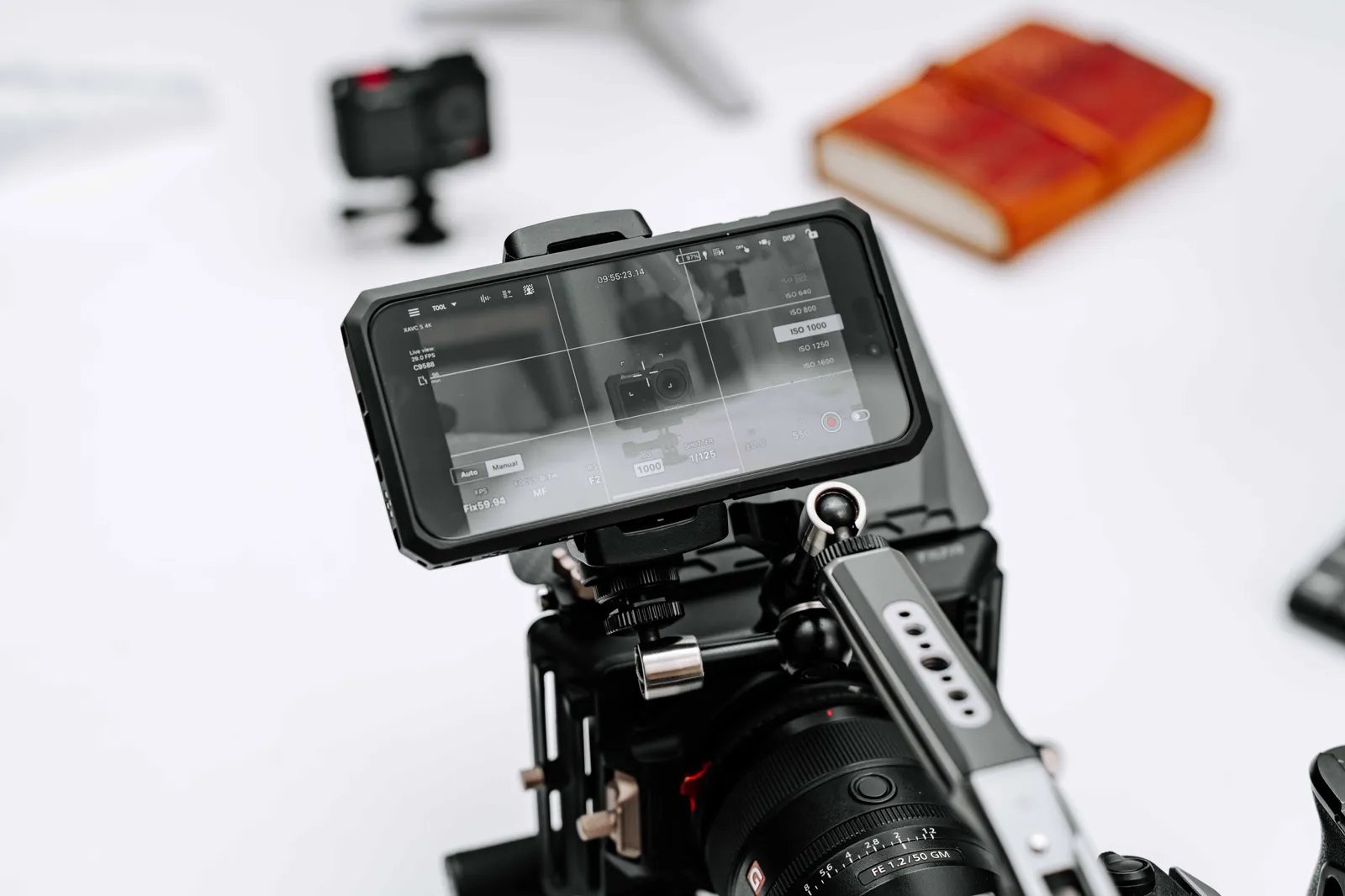
Which tools and software can help you make realistic AI video?
You can choose from several AI video platforms. Each works a little differently. Some give you a library of stock avatars. Some let you build a custom avatar from your own footage. Others focus only on lip-sync for a photo.
Here are a few common options:
- Kyndrify builds a Twin from your own face and voice. It is tuned for realistic, distortion-free faces. Prompt engineering is built in, so you don't need to learn extra skills. It is rolling out C2PA disclosure and supports ten spoken languages. Free tier available, no credit card required. Commercial use depends on your rights and current plan terms.
- Synthesia offers a range of stock avatars and custom avatar creation. Known for corporate training and explainer videos. Per their published pricing, plans are seat-based with video minute limits.
- HeyGen provides fast video generation, custom avatars, and voice cloning. It often targets social media creators and sales outreach. They charge by subscription tier.
- D-ID specializes in talking-head videos from a single photo. Useful for quick, casual clips. Its avatars may show more limited emotion range.
All of these tools improve realism when you follow the same core principles: clean input, natural scripts, and good review. Compare features and pricing against your specific needs. If you only need a quick talking photo, a simpler tool may work. If you want a true likeness that carries your micro-expressions, a dedicated Twin approach like Kyndrify will feel more authentic.
Budget tip: before you commit, look at how each tool charges. Some charge by the minute of video, others by seat per month. Small differences add up quickly. The free tier on Kyndrify lets you test without risk. For other tools, most offer trial credits or demos. Always check the latest pricing on their official sites.

Why should you use a real likeness instead of a stock avatar?
Generic stock avatars are a fast way to look fake. Viewers have seen them everywhere. They feel hollow because no real person stands behind them.
A real likeness fixes this. When the face is truly yours, it carries real micro-expressions. The eyes feel alive. The smile feels earned.
This is the idea behind Kyndrify: "Be on camera. Without the camera." You build a Twin from your own real face and voice. So the video looks like you, because it is you.
If you use another tool that offers custom avatars, the same rule applies. Supply the best source footage you can. A real likeness always beats a stock face.
How do you give clean source input?
Your output can only be as good as your input. Garbage in, garbage out.
Follow these basics for your source recording:
- Use bright but soft, diffused light. Avoid harsh shadows.
- Face the camera straight on. Keep your eyes centered.
- Pick a plain, uncluttered background.
- Hold the camera steady. Avoid shaky framing.
- Record clear audio in a quiet room.
Clean input gives the model more to work with. The result looks sharper and steadier.
How do you write a script that sounds human? (With examples)
Stiff, corporate writing sounds robotic out loud. Write the way you actually talk instead.
Keep these script habits in mind:
- Write short sentences. One idea each.
- Use contractions. Say "you're," not "you are."
- Drop the jargon. Use plain words.
- Read it aloud first. Fix anything that trips you up.
- Add small transitions. They keep the flow smooth.
Here is a quick before-and-after to show the difference.
Fake, robotic script:
"Our platform provides a comprehensive solution that enables organizations to leverage advanced technologies to optimize operational efficiencies. By implementing our system, enterprises can realize significant improvements in their workflow processes."

Natural, human script:
"Our tool helps your team work faster. It cuts out busywork. You spend less time on routine tasks, and more time on the big stuff. That's the whole idea."
The natural version uses shorter words, active voice, and a conversational rhythm. That alone removes much of the fake feeling. A natural script does half the realism work for you.
How do you match real pacing and pauses?
Real people pause. They speed up when excited. They slow down to make a point.
Build that rhythm into your script. Mark where you want a short pause. Mark where you want a slower line. These small cues make speech feel human, not flat.
Avoid one long, rushed block of words. Let the video breathe. Natural cadence is one of the biggest realism wins.
If your AI tool allows it, adjust the speech speed slightly for different parts. A slow introduction, a slightly faster main point, then a relaxed closing. That mimics how we really talk.
How do you handle different content types? (Interviews, presentations, social clips)
Not all videos need the same style. Adapt your approach for each format.
- Presentations or explainer videos: Keep pace steady and deliberate. Pause after key numbers or ideas. Your face should stay engaged but calm. Script in natural transitions between slide points. Avoid reading bullet points word-for-word.
- Simulated interviews: Write a two-sided dialogue if you need an AI host to ask questions. Pause after each question as if listening. Respond with natural filler words ("Well," "That's a good question"). Let the voice tone shift slightly for answers versus questions. Remember, real interviews have back-and-forth rhythm, not monologue.
- Social media clips: Short, punchy, and casual. Start with a hook. Use quick sentences. Expressions can be more dynamic, but still subtle. The goal is a friend talking to a friend, not a formal speaker.
Match the pacing and energy to the format. If you are unsure, record a real version of the format first and study how you naturally move and speak.
Why should you avoid over-stylized prompts?
When you write prompts, think like a calm director. Do not pile on dramatic adjectives. Over-stylized prompts often push the face into a fake, glossy look.
Ask for natural framing. Ask for a steady shot. Ask for normal, relaxed expressions.
Real footage is never perfectly clean. A little natural texture reads as more believable. So resist the urge to make everything flawless.
Good news: with Kyndrify, prompt engineering is built in. You don't have to master prompt tricks. The system guides the output toward a realistic, true-to-you result.
How do you use natural gestures and framing?
Frozen, robotic posture is a giveaway. So is wild, jerky motion. The goal is calm, human movement.
Keep gestures small and relaxed. Frame yourself like a normal video call. Head and shoulders in view works well. Keep eye contact steady and centered.
Subtle is the target. You want present, not performing.
How to account for cultural nuances in expressions and pacing
Facial expressions, eye contact, and speaking pace vary across cultures. What feels warm and friendly in one context might seem too intense in another.
When you record your source footage or write your script, consider your audience. If you know your viewers expect softer eye contact or slower speech, model that in your recording. The Twin will learn from your input. You cannot prompt AI to shift a cultural style after the Twin is built unless you retrain it.
For example, if your audience is in a culture where direct, sustained eye contact can feel confrontational, record your source with a slightly softer gaze and occasional glances away. If your content targets a high-context culture, leave room for pauses and implied meaning. Your script can be less direct.
This edge case matters most for global teams or creators serving diverse audiences. Plan the source recording accordingly. It is much easier to get it right from the start than to fix an unnatural look later.

How do you review for distortion before publishing?
Always do a final review. This step catches the small flaws viewers notice.
For a related guide, see TTGC's How to Make an AI Avatar Look Real: A Safe QA Plan.
Check each of these:
- Watch the eyes. Do they blink and move naturally?
- Check the lips. Does the sync land on beat?
- Look at the edges of the face. Any warping or melting?
- Scrub the whole clip. Does the face stay stable?
- Listen closely. Does the voice match the mood?
If something looks off, re-render or adjust. A quick review protects your credibility.
How does Kyndrify make realistic AI video easier?
Most realism problems come from two places. Faces that don't look like you. And prompts that are hard to get right.
Kyndrify targets both. The in-house models are tuned for realistic, undistorted faces and true likeness. So you get fewer warped frames and fewer re-renders.
Prompt engineering is built in, so you skip the guesswork. It is all-in-one and consent-based. Real-person Twins need current recorded likeness consent before rendering, and synthetic Avatars follow a different consent path. Free can build one Starter Twin and view a short preview, but own-face rendering starts on an eligible plan such as Plus.
You also get rolling C2PA disclosure for honest, labeled content, though it is not guaranteed on every file yet. You can publish in ten spoken languages. And most videos render in minutes.
There is a free tier with no credit card. Commercial use depends on your rights and current plan terms, so confirm them before you publish. Kyndrify is built by Through the Glass Creatives.
Frequently asked questions
Why does my AI video still look fake?
Usually it's a generic avatar or messy input. Switch to a real likeness. Then improve your lighting and audio. Most fake looks come from those two issues.
Can AI video ever look perfectly real?
Not perfectly, and that's fine. Aim for natural instead. Small human imperfections actually help. Flawless can feel fake.
What is the single best tip for realistic AI video?
Use your own real face and voice. A true likeness beats every other trick. It gives you authentic expressions from the start.
How do I stop faces from looking distorted?
Use a model built for undistorted faces. Give clean, steady source input. Then review the final clip for warping before you publish.
Do I need to learn prompt engineering?
No, not with Kyndrify. Prompt engineering is built in. You focus on your message, not the prompt syntax.
How much should I budget for realistic AI video?
It depends on the tool and your output volume. Some platforms offer free starter tiers. Kyndrify's free tier uses preset avatars and voices, so you can test the basics without a credit card. Paid plans unlock higher volumes and custom rendering on eligible plans, and the cost varies by plan. Commercial use depends on your rights and current plan terms. Other tools often start around $25 to $50 per month for basic seats, but always verify on their website. To avoid surprise costs, estimate how many video minutes you need per month and compare plans.
How do I adapt my Twin for audiences from different cultures?
Record your source footage with the expression and pacing that suits your target culture. The Twin learns from your input. After the Twin is built, you cannot fundamentally change its cultural nonverbal style. Plan ahead if you serve multiple regions. You may need separate Twins for vastly different cultural styles.
Try it yourself
Realistic AI video is simpler than it looks. Use a real likeness. Feed it clean input. Keep things natural. Then review before you ship.
Want to try the workflow? Start with a preset avatar on Free. Rendering your own scripts in your own face needs an eligible plan such as Plus and current consent.
This article shares general guidance on creating realistic AI video. It is not financial, legal, or professional advice. For specific business decisions, consult a qualified expert.
Related reading
More from Kyndrify



Make your first video without filming.
Say what you need and the studio makes it: video, images, voices. Start free, no credit card.