

Make AI UGC Ads Fast With Authentic Hooks
Learn how to craft AI UGC ads that grab attention with authentic hooks and quick testing. Use Kyndrify's all-in-one tool for consent-verified likeness.
AI UGC ads mix AI speed with the real feel of user-made content. You can film less, test more. You still get ads that feel like a friend talking. This guide shows you how to measure ROI. It covers planning a budget and scaling what works.
What are AI UGC ads?
UGC stands for user-generated content. It feels real and relatable. AI UGC ads blend this style with AI. You create videos that look like real people made them. You don't need a camera crew.
Authenticity sets them apart from traditional video ads. Viewers trust a raw-looking video more than a polished ad. AI lets you keep that raw feel. And you can produce dozens of variations fast.
Why use AI for UGC-style ads?
Traditional video shoots cost time and money. AI UGC ads can be made in hours, not days. You can swap hooks, change product placements, and personalize messages fast. Testing many options shows you what your audience likes. And you don't blow your budget.
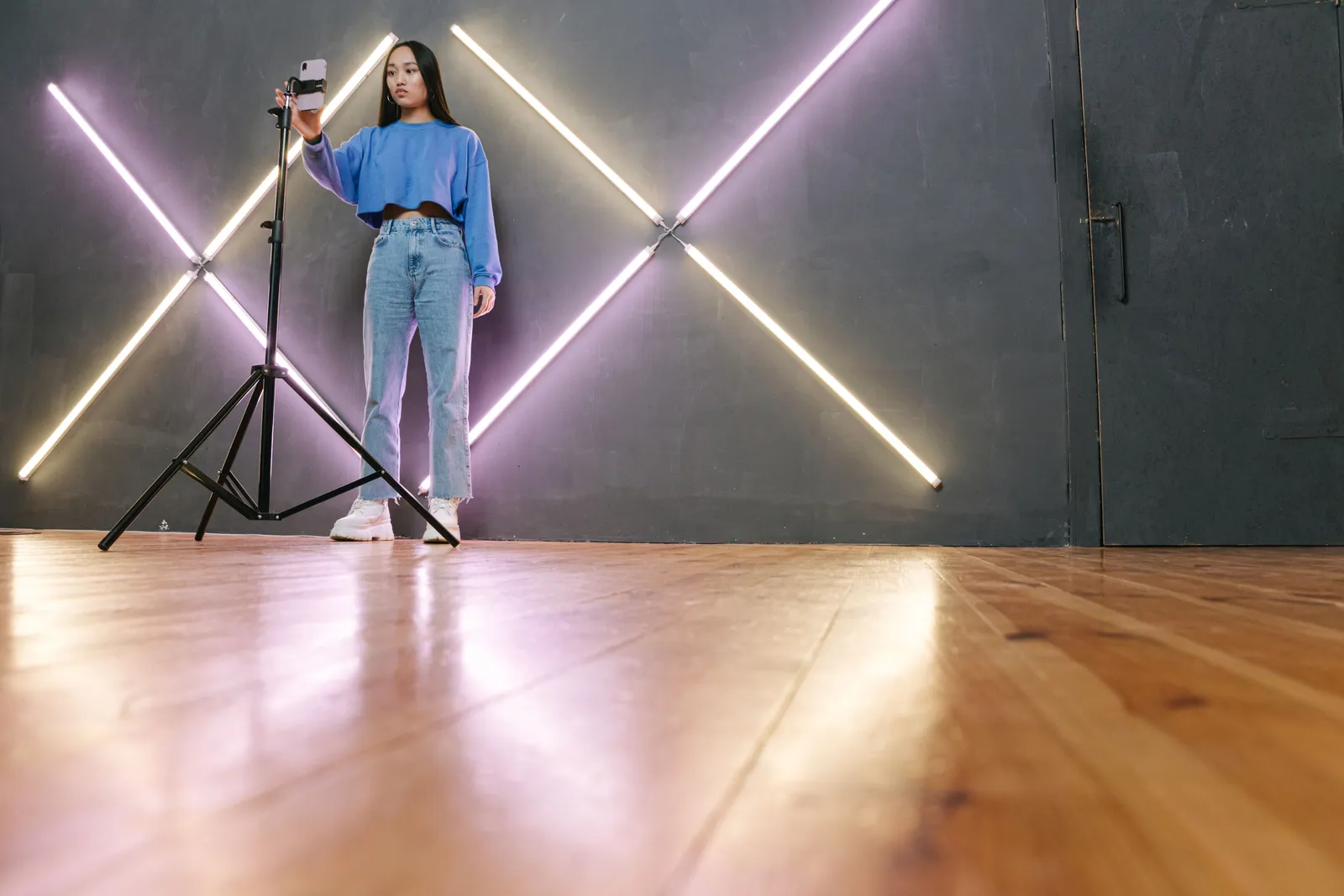
The speed also helps you react to trends or seasons. No need to wait for a film crew. Type a new script and render a video in minutes.
How to create strong hooks for AI UGC ads
A hook grabs attention in the first few seconds. For AI UGC ads, think of real frustrations or desires. Start with a question or a problem your product solves.
For example:
- "Ever notice how frustrating it is when…"
- "I wish someone had told me this sooner."
Keep the hook under five seconds. Use simple words. Avoid sales language. The goal: make someone feel understood.
After the hook, move naturally to your product. AI tools let you test many hooks to find the best one.
Keep delivery authentic
Authentic delivery keeps your ad feeling real. Talk like you're chatting with a friend. Use contractions like "you're" instead of "you are." Let sentences trail off sometimes.
Tools like Kyndrify assist. They sync lip movements and tiny expressions with your script. Listen to each version. Ask yourself: "Would I believe this person is real?"
Test many variations fast
Testing is the secret to great ads. AI UGC ads let you create many versions fast. Try different hooks, scripts, and visuals.
A/B testing tells you what works. Start with two or three different hooks. Keep everything else the same. Let data reveal the winner. Then take that hook and test another part, like the ending or visuals.
This cycle speeds up results. It lets you fine-tune top ads without guessing.
How to measure ROI of AI UGC ads
ROI often comes down to two numbers: what you spent and what you earned. For AI UGC ads, production costs less than traditional shoots. So measuring ROI helps you justify scaling.
Start by picking your key metrics. Common ones include:
- Cost per click
- Cost per acquisition
- Return on ad spend
- Engagement rate (likes, shares, comments)

Track these per variation using UTM codes or platform tools. To find ROI, subtract total cost from revenue. Then divide by total cost. Total cost includes AI creation and ad spend. Compare the ROI of different hooks. Scale the one with the best return.
Also watch softer signals like brand mentions or saves. Many teams track a "quality score" from comments that show buying intent. Clear attribution proves the value of AI UGC ads to your team.
What success can look like (real-world examples)
Every business is different. Patterns appear when teams use AI UGC ads well. Imagine a skincare brand testing three pain points: dry skin, breakouts, and dullness. In one afternoon, they create a separate AI UGC ad for each. They run all three on the same budget. The "dullness" hook gets the most clicks. They double down on that message. Soon they see a higher conversion rate.
Another example: an e-commerce store makes gift guide videos before the holidays. They film nothing. Yet they produce personalized ads for five product categories. The ads feel like a friend sharing tips. They often get better engagement than studio ads.
These examples show what many marketers see: AI UGC lets you target the right message to the right audience fast. What works for a fitness brand may differ from a B2B software tool. The common thread: rapid testing.
Plan your budget for AI UGC ads
Budgeting has two parts: the AI tool cost and ad spend. AI UGC creation costs much less than a video crew. Some tools charge per video or offer subscriptions. Kyndrify uses shared credits across its tools. See its pricing page for current plans.
A good approach: start small. Set a test budget. Make five to ten variations. Run them for a few days on Meta or TikTok. Cap your daily spend at an amount you can lose. Find the winning hook. Estimate your cost per acquisition. Then scale the budget for that ad.

Also consider your time for writing scripts and analyzing data. AI saves production time, but strategic thinking is still your job.
Scale your winning AI UGC ads
Once you find a strong hook, scaling is systematic. Reuse the same AI avatar for different products, audiences, or languages. Build a library of proven hooks. Pair them with new offers.
Scaling tactics:
- Localize: Translate the winning script. Generate voice and lip sync for each market.
- Refresh: Change the background or text overlay. Keep the core message.
- Expand: Make a longer tutorial from a short hook. Then cut it into multiple short ads.
Check performance often. Pause ads that stop working. Scaling AI UGC ads means reinvesting what you learn, not just spending more.
Ethical guidelines and cultural sensitivity
Transparency builds trust. Always label AI UGC ads as AI-generated. Platforms and laws often require it. Kyndrify is rolling out signed Content Credentials and invisible provenance, but they are not guaranteed on every file. You remain responsible for required disclosure.
Also, pay attention to cultural details. An AI avatar that fits one market may not work as well in another. A hook that is casual in one culture can seem rude in another. Test your ads with a diverse group first. Avoid stereotypes in images or accents. For a specific region, use an AI avatar that reflects local diversity.
When using someone’s face, always get clear, informed consent. Even with your own face, check that your release covers commercial use. Respect people and your audience while enjoying AI’s speed.
Use Kyndrify for consent-verified likeness
Kyndrify lets you create a "Twin" from your face and voice, with verified consent. Write a script. The platform makes studio-quality video. It handles voice, lip sync, AI images, product photos, and B-roll all in one place.
You keep ownership of your uploads and renders, subject to the Terms, other rights, and applicable law. That is not a blanket clearance for every commercial use. Technical disclosure controls are rolling out and are not guaranteed on every output. You remain responsible for required disclosure. Check Kyndrify’s pricing page for current plans and eligibility.
Frequently asked questions
What makes a good AI UGC ad?
A good AI UGC ad feels real. It hooks viewers in seconds with a problem or question. The delivery stays natural. The look matches raw user content. Testing many variations finds the best one.
How do I keep my AI UGC ads transparent?
Label your ads as AI-generated. Use tools that embed provenance data like C2PA where available. Always get consent if using someone’s likeness.
Can I test different versions of AI UGC ads fast?
Yes. AI tools let you create and test many versions fast. This finds what works best.
How do I measure ROI of AI UGC ads?
Track ad spend and revenue per variation. Calculate ROI by subtracting cost from revenue and dividing by cost. Watch metrics like cost per acquisition and return on ad spend. These show which hooks perform best.
What is a typical budget for AI UGC ads?
Budgets vary. Start with a small test budget for creation and ads. Scale as you see results. AI production costs less than traditional shoots. So you can spend more on running ads.
How can I avoid cultural missteps with AI UGC ads?
Test ads with people from the target culture. Use avatars and language that feel natural. Avoid stereotypes. Localize words and context. Get feedback before launching if unsure.
Is Kyndrify the only tool for making AI UGC ads?
No, but it’s a rare all-in-one platform. It does voice, lip sync, AI images, product photos, and B-roll in one place. Consent verification is required for real-person Twins. Signed Content Credentials and invisible provenance are rolling out and are not guaranteed on every file.
How do I get started with AI UGC ads?
Start with a few hooks that hit real problems. Use a tool like Kyndrify to make variations fast. Run small tests. Measure what works. Then expand. Always be transparent.
This article is for informational purposes only. Please review your platform’s advertising policies and any applicable laws before publishing AI-generated content. Always prioritize honest communication with your audience.
More from Kyndrify



The tools that do this
Make your first video without filming.
Say what you need and the studio makes it: video, images, voices. Start free, no credit card.