

AI Video for YouTubers
A source-checked guide to AI video for YouTubers, with synthetic-media, sponsor, rights, claim, and upload-review gates.
AI Video for YouTubers
AI video can produce a script-driven talking-head segment without a new camera recording. It does not remove the need to check originality, rights, sponsor disclosures, facts, and platform rules. Kyndrify lets you build a verified digital Twin from your face and voice on an eligible plan such as Plus. You supply an approved script. The Twin performs it. Each Render gives you a download and a hosted link. Every upload still needs human review.
This guide covers practical steps for a channel operator. It explains YouTube’s current disclosure needs. It offers a tiered risk checklist. It includes a sample sponsor-read template and a release record you can adapt. It also states what Kyndrify documents today. No reach, retention, or monetization promises are made. Those outcomes depend on your content, audience, and platform algorithms.
What YouTube requires when you use synthetic media
YouTube's altered-content guidance requires disclosure when content is meaningfully altered or synthetic and seems realistic. It includes content that makes a real person appear to say or do something they did not do. Creators use the altered-content setting in YouTube Studio. The page also lists examples that may not need disclosure. Check the final upload against the current page.

YouTube's paid-promotion guidance says creators must declare covered placements, endorsements, sponsorships, and commercial ties in the video details. That step may not meet every local duty. The FTC's influencer guide says a material connection should be clear and hard to miss. For a video endorsement, the disclosure should be in the video, not only in its description. The guide also says endorsers should not describe experience they did not have or make claims that lack support.
Kyndrify says signed Content Credentials and invisible provenance are rolling out and are not guaranteed on every file. The company states it includes AI disclosure. These technical signals do not replace manual YouTube declarations. They do not replace an in-video sponsor disclosure. They do not replace copyright clearance or a factual review of the script. Treat them as helpful metadata, not a compliance shortcut.
A tiered checklist before you render
Not every script carries the same risk. Use this framework to decide how much human review a video needs.
- Channel logistics. Confirm the script matches your channel’s topic, tone, and audience. Check that any music, stills, or third-party clips are properly licensed.
- Original educational script. Review every factual claim against a current primary source. A verified Twin can recite wrong information if the script is wrong.
- Commentary using third-party material. Record the source and the permission, licence, or other rights basis for each clip, quote, image, and track. Get qualified advice when the rights basis is uncertain.
- Product review or endorsement. Disclose any material connection clearly in the video. Only describe products you have actually used. Do not let the Twin make claims you cannot substantiate.
- Sponsor segment. Follow the contract's approval steps. Include a clear disclosure in the video and complete YouTube's paid-promotion declaration when it applies.
- Realistic synthetic scene or statement. Compare the final item with YouTube's current altered-content examples and record the upload decision.
- Sensitive-topic content. News, health, finance, and legal topics deserve extra scrutiny. A synthetic presenter can add viewer scepticism. Make your sourcing unusually transparent.
- Another person’s likeness or voice. Do not try to bypass Kyndrify's recorded-consent process. Review the exact permission and rights basis before using another person in any asset.
A fictional sponsor-read template
Below is a script skeleton you can adapt. The placeholders are blank so you can insert your own sponsor, product, and disclosure language. This is an illustration. It is not a promise of performance or a real endorsement.

“A quick thanks to [Sponsor Name] for supporting this video. [Sponsor Name] makes [brief factual description of the product or service]. I’ve been using [product name] for [time period], and here’s what I noticed: [your genuine observation]. One thing to keep in mind is [honest limitation or trade-off]. If that sounds useful, you can find a link in the description. Using that link helps the channel, and I appreciate it. Now back to the video.”
Place that segment where viewers will see and hear it. The FTC’s guidance says the disclosure should be hard to miss. Avoid burying it at the very end. Do not hide it behind a “see description” note.
A practical upload release record
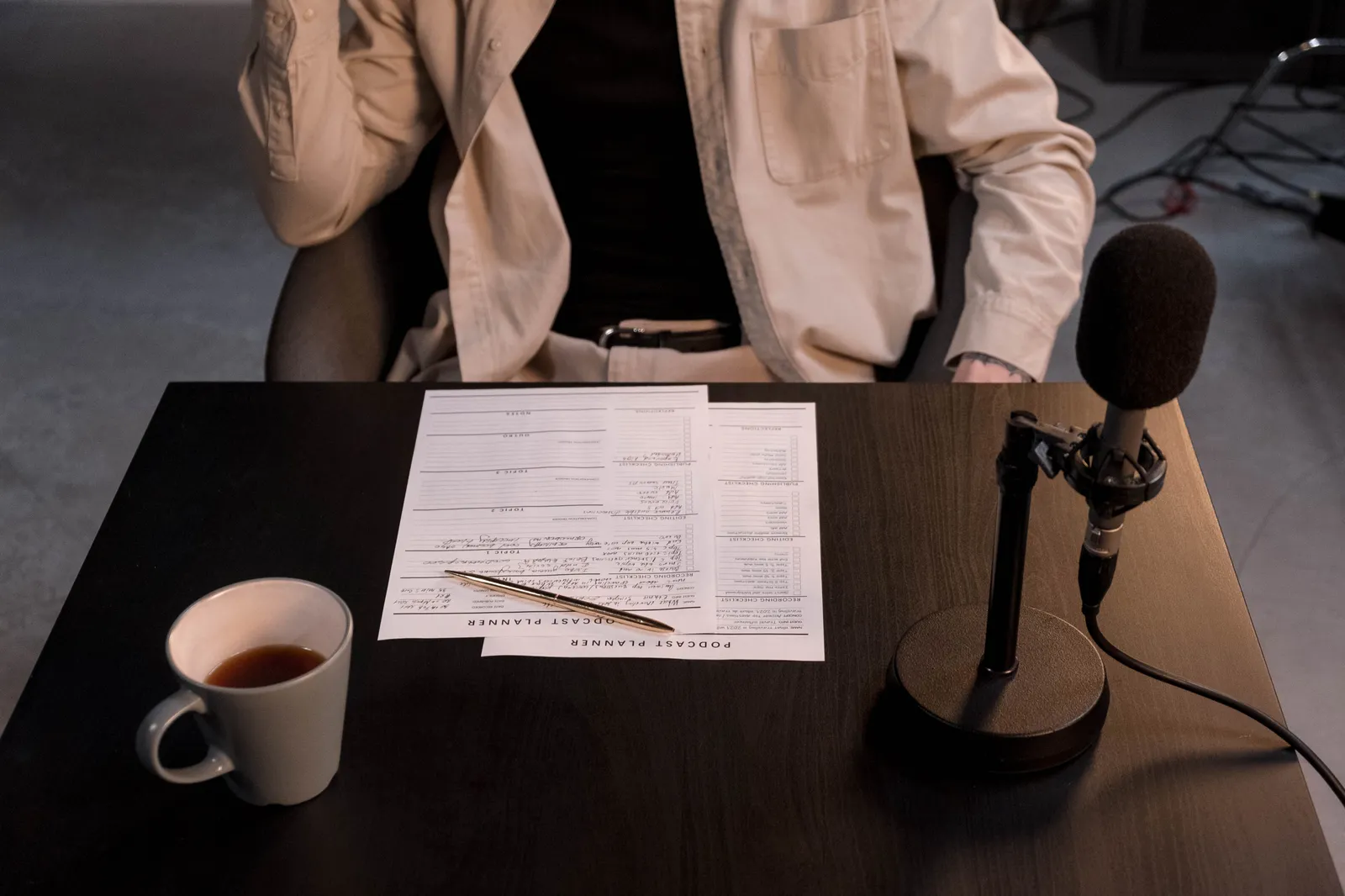
Before you hit publish, walk through a short checklist. Keep a dated copy. This creates a paper trail if a platform, sponsor, or viewer questions the video later.
- Script version and date. Note which draft the Twin read.
- Asset and music rights. List every external clip, image, and track, along with its licence or permission.
- Factual sources. Link to the primary sources that back any objective claims.
- Material connections. Record any payment, free product, discount, employment, or personal tie to a mentioned brand.
- Sponsor approval. Attach the sponsor’s written sign-off on the final script and rendered clip.
- Endorsement basis. Confirm you have personally used the product or service as described.
- Altered-content decision. Document whether you ticked YouTube’s altered-content setting and why.
- Paid-promotion decision. Document whether you ticked YouTube’s paid-promotion setting.
- Audience setting. Note if the video is made for kids or set as age-restricted.
- Thumbnail and title claims. Check that neither the thumbnail nor the title makes a promise the video does not keep.
- Final human review. Name the person who watched the full rendered video and approved it.
- Publish date and archive location. Keep a copy of the final file and the checklist.
- Takedown owner. Assign one person who can act quickly if the video needs to be removed.
What Kyndrify documents today
Kyndrify’s public talking-head video page describes a simple flow. You supply a headshot and a short voice clip. This creates a verified face-and-voice Twin. You provide a script. The platform renders a video. You can download it or share it through a hosted link. Longer scripts can be split into sections and stitched together.
The company’s pricing page lists recorded consent, shared subscription credits, pay-as-you-go credit packs, and AI disclosure. Signed Content Credentials and invisible provenance are rolling out and are not guaranteed on every file. These Kyndrify product and pricing details were verified on 26 September 2026. The same pages do not document output size, render speed, B-roll, intro templates, Shorts formats, or commercial rights. Product pages document ten speech and dubbing languages, and dubbing is on Plus and above. Check the live product pages again before you rely on a feature.
Production cost inputs
Build the estimate from your real workflow. Count research, writing, rights clearance, sponsor review, the Render charge, final viewing, captions or other access work, upload setup, corrections, storage, and takedown work. For filmed content, also count the crew, place, recording, edit, and reshoots you truly plan to use.
Kyndrify plans use a shared credit balance, and pay-as-you-go credit packs are also available. Subscription credits reset monthly and do not roll over; packs last three months. Longer scripts may be split and stitched. Those facts are not enough to predict a creator's total spend. Use the current price shown to your account and estimate the number of approved Renders your plan requires.
A fast desk check before upload
Read the title out loud. Does the video prove it? Open the thumbnail. Does it make a claim that the script does not? Fix either gap.
Play the full file. Check each fact, clip, track, link, sponsor line, and name. Mark the altered-content choice. Mark the paid-promotion choice. Add the in-video sponsor note when it applies. Save the final record with the final file. Then publish the same version you approved.
Stop if one asset has no clear source. Stop if the sponsor line is vague. Stop if the title adds a claim. Stop if the upload choice was made from the script, not the final file. Fix the gap first.
FAQ
Does YouTube allow AI-generated video? YouTube permits AI-assisted and synthetic content. Creators must use the altered-content disclosure setting when the video contains realistic synthetic media that could mislead viewers. The final decision rests with the uploader. The policy can change. Review YouTube’s current help article before each upload.
Can I use a Kyndrify Twin for a sponsored segment? The format does not remove the usual review. Follow your sponsor contract, YouTube's paid-promotion rules, and the disclosure duties that apply to you. Include a clear disclosure in the video. Kyndrify's AI disclosure does not replace those steps.
What happens if my script contains a factual error? The Twin will read the script as written. It does not fact-check. You remain responsible for verifying every objective claim against a reliable primary source before you render.
Do I still own the rights to my face and voice? Kyndrify states that Twin creation uses recorded consent. Signed Content Credentials and invisible provenance are rolling out and are not guaranteed on every file. The public pages do not detail the full ownership or licensing terms. Review the current terms of service. Consult a lawyer if needed before you build a Twin.
Is Kyndrify a replacement for a camera crew? No. It turns a script into a talking-head video using your verified Twin. It does not film live events. It does not capture location footage. It does not replace the creative decisions a human director makes. Think of it as a script studio, not a production team.
Keep the upload record current
A verified Twin can deliver your approved words on screen. It cannot clear a clip, test a claim, identify every commercial tie, or make the upload settings for you. Keep the source file, rights record, sponsor record, disclosure decision, final Render, and review date together. Reopen that record if the policy, sponsor terms, facts, title, thumbnail, or video changes.

Disclaimer: This article describes general platform policies and one vendor’s documented features as of September 2026. It is not legal advice. YouTube’s rules, the FTC’s guidance, and Kyndrify’s pricing and capabilities can change. Always read the current official pages and consult a qualified professional for your specific situation.
Related reading
More from Kyndrify


Make your first video without filming.
Say what you need and the studio makes it: video, images, voices. Start free, no credit card.