

Will AI Replace Video Editors and Creators?
Will AI replace video editors? The honest answer. AI handles routine work, but skilled creators who use it will lead.
No. AI will not fully replace skilled video editors. But it will change the job a lot.
AI now handles many routine tasks. It cuts clips. It adds captions. It cleans audio. This shifts what editors spend their time on.
The real story is simple. AI will not replace creators. Creators who use AI will replace those who don't.
We work with AI tools every day at our studio. We also build our own. So this answer comes from the edit bay, not from headlines.
Let's break it down honestly. No hype. No fear.
Will AI replace video editors?
Not the skilled ones. AI struggles with taste, story, and creative judgment.
A great edit is about feeling. It is about pacing and emotion. AI does not understand why one cut lands better than another.
But the impact differs by creator type:
- YouTubers and social creators will gain the most speed. AI can rough-cut a talking-head clip and generate captions almost instantly. The human still writes the hook, chooses the take, and shapes the story. AI just removes drudgery.
- Corporate and marketing editors will see AI handle bulk edits like trimming webinars to highlight reels. The human focuses on brand tone, compliance, and client needs.
- Filmmakers and high-end editors will use AI for technical tasks (color matching, audio cleanup) but keep full control of narrative and emotional arc. No AI directs a scene.
AI will replace a lot of routine production. Think basic cuts and simple social clips. That work is fast for a machine.
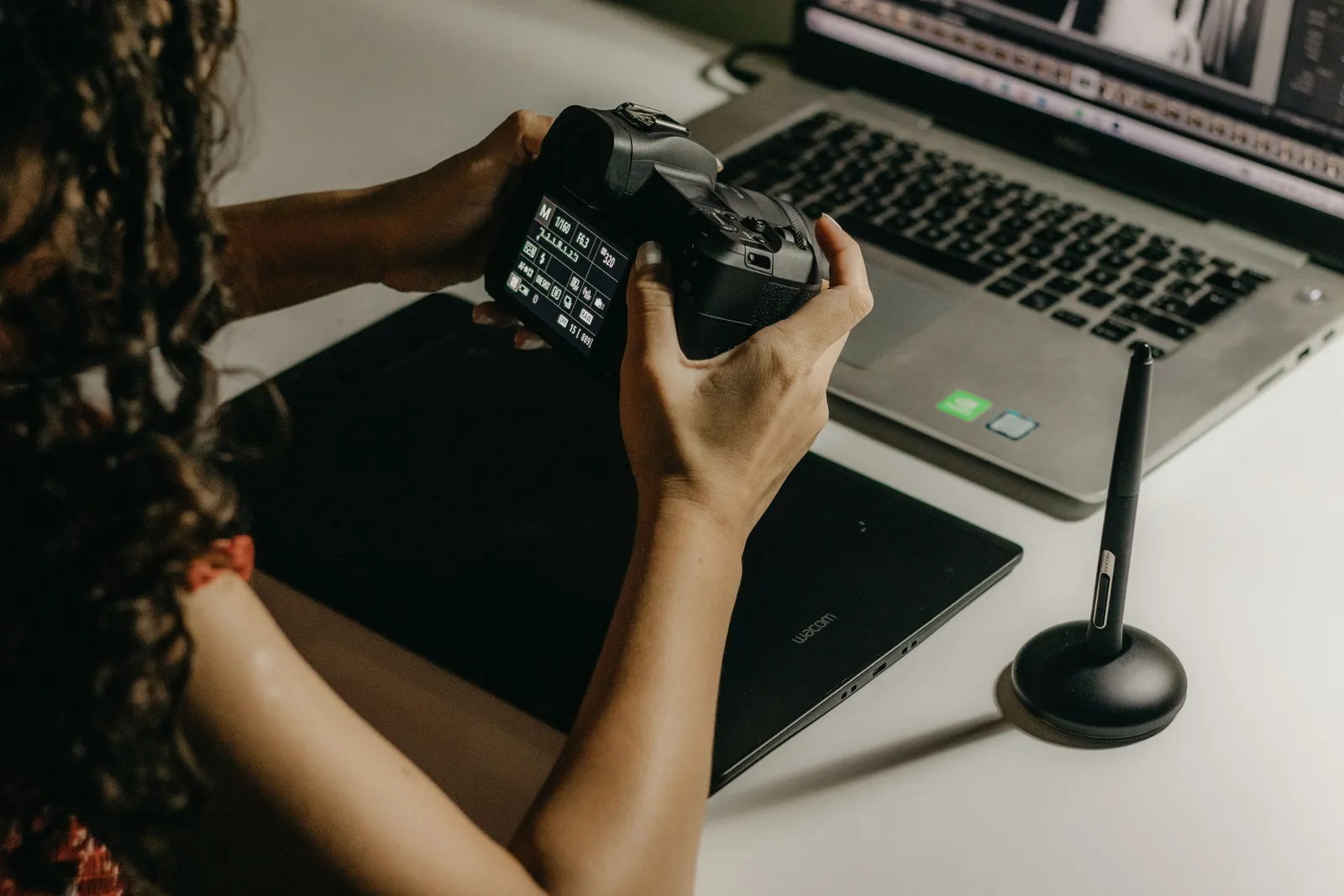
So the role moves up. Editors become directors of the tool.
How soon will AI take over editing tasks?
It is already happening for some tasks. Others are years away. Here is a rough timeline based on what we see in real work.
Short term (now to 2 years): AI handles trimming, transcription, basic captions, and audio leveling reliably. Editors use these tools daily to save hours. The quality is good enough for most social content. Human review is still needed to catch strange cuts or misheard words.
Medium term (2 to 5 years): AI will get better at assembling rough cuts from rushes. It may suggest B-roll based on script keywords. You will still set the creative direction. We expect AI to handle 60–70% of low-level editing work in many workflows. Humans will design the structure, pick the music, and refine the timing.
Long term (5+ years): AI may begin to mimic pacing and style when given enough reference material. But high-stakes, original creative work will still need a human. No one can predict true taste. The timeline is fuzzy because creative judgment is not a code problem.
These are not predictions with dates. They are patterns we see across the tools we use and build. Technology moves fast, but craft moves slowly.
Best AI tools for video editors
Here are tools we see working editors actually use. No fluff. No magic wands. Each handles a different part of the job.
Descript Transcribes video, then lets you edit by editing the text. Great for cutting podcasts and talking-head content quickly. Its AI voice cloning and filler-word removal are practical time-savers.
Runway A suite of generative AI tools for video. You can remove backgrounds, generate video clips from text, or do inpainting on footage. Best for experimental creators and motion designers.

CapCut (by ByteDance) Free and beginner-friendly. It auto-generates captions, applies trendy effects, and suggests cuts. Many social media creators use it to speed up short-form edits.
Adobe Premiere Pro built-in AI Features like Speech to Text, Auto Reframe, and Remix (music retiming) save real hours. These are built into a tool most editors already know. Per Adobe’s public information, these features use machine learning on-device and in the cloud.
Topaz Video AI Upscales old footage, reduces noise, and increases frame rates. Filmmakers and restoration artists rely on it for technical fixes that used to take hours per shot.
Kyndrify Our tool gives you a real-face AI Twin. You create a video of yourself once, and the AI generates new clips from text prompts. It keeps your actual face, with built-in consent and content provenance that is rolling out. We built it so creators keep full control.
You do not need all of these. Pick one that solves your biggest time drain first. Then add more as your comfort grows.
A real-world example: how a creator cut editing time in half
Here is a composite case from what we see across our community. We will call her Mia. She runs a weekly YouTube channel and a short-form feed on three platforms.
Before AI, Mia spent 6 to 8 hours editing each long video. Captions alone took an hour. B-roll hunting and trimming ate up another two. She felt stuck.
Mia started using Descript for rough cuts and captions. She fed the transcript into Kyndrify to generate short social clips from her main video. She used Premiere Pro’s Auto Reframe to repurpose horizontal footage into vertical formats.
The result: she cut her editing time to about 3 hours per long video. The captions were done in minutes. She gained back a full afternoon each week.

Now she shoots an extra video per month and replies to comments more. Her channel grew, but not because AI made it creative. It grew because she had time to connect with her audience.
That is the real promise. AI does not replace her. It gives her room to do the human parts well.
What AI replaces vs what it won't
Here is the honest split. Some tasks are easy for AI. Others still need a human.
AI is good at the repeatable parts. It speeds up the boring work.
What AI replaces well:
- Rough cuts and trimming
- Auto captions and subtitles
- Audio cleanup and leveling
- Color matching across clips
- Simple social media edits
- Background removal
- Basic motion graphics
What AI won't replace:
- Story and narrative structure
- Emotional pacing
- Brand voice and taste
- Client trust and direction
- Original creative ideas
- High-end cinematic work
- Knowing what to cut and why
See the pattern? AI handles the volume. Humans handle the meaning.
Why editors who use AI will win
Speed is the reason. AI removes hours of grunt work.
Imagine cutting a one-hour interview by hand. That takes ages. AI gives you a first pass in minutes.
Now you have time back. You spend it on the creative parts. That is where your value lives.
Clients pay for results, not for hours. Faster pros deliver more. They also charge for skill, not for clicking buttons.
The future of video editing rewards smart tool users. The tools do the labor. You do the thinking.
A founder's view on AI vs video editors
We are Through the Glass Creatives. We use AI every day. We also build our own models.
So we speak from real work, not theory. Here is what we see.
Commercial-grade video still needs skill. A model is only as good as its operator. The prompt, the direction, the taste; all of it is human.
That is why experts still matter. And it is why tools like Kyndrify exist.
Kyndrify is all-in-one. It has prompt engineering built in. It uses realistic-face models. It pairs your skill with smart tech.
We added consent and provenance on purpose. Your face is yours. Your content is traceable. That is how AI should work.
How do I stay ahead as a video editor?
Step one: learn the tools. Do not wait for AI to catch up to you.
Start with one task. Maybe captions or transcript-based cutting. Let a tool handle it this week. You will feel the time return.
Then build a small AI stack. For example, use Descript for rough cuts, CapCut for social snippets, and Kyndrify for face-based content. Keep it simple.
Step two: update your judging skills. With AI doing more, you need to sharpen your taste. Watch great edits. Study why they work. Your taste will be your edge.
Step three: talk to clients about what AI does and what you do. Frame it as a value-add. “The AI handles the first pass so I can focus on the story.” Clients respect that.
Finally, protect your best thinking time. Let AI do the repetitive things. Guard the hours when you build the narrative. That is work no machine can steal.
The bottom line
AI is a tool. It is not a replacement for talent.
It will take over routine production. It will not take over real creativity. The gap between the two is human judgment.
So do not fear the shift. Use it. Editors who adopt AI will outpace those who don't.
The win is more time for high-value work. That is a good trade.
Frequently asked questions
Will AI fully replace video editors?
No. AI replaces routine tasks, not creative judgment. Skilled editors stay in demand for high-end work.
Is video editing a dead career because of AI?
No. The role is changing, not dying. Editors now guide AI instead of doing every cut by hand.
Can AI make a full professional video alone?
Not at a high level. AI needs human direction for story, taste, and brand. The operator's skill still decides the result.
Should video editors learn AI tools?
Yes. AI users work faster and ship more. Editors who skip it risk falling behind their peers.
Do AI video tools need skill to use well?
Yes. Good prompts and direction take expertise. That is why commercial models still rely on trained pros.
How soon will AI replace certain editing tasks?
Routine tasks like trimming, captions, and audio leveling are already handled well. More complex cuts will take years. Creative direction is not on the timeline.
Try it yourself
Curious how AI fits your workflow? Start with your own real-face Twin.
Kyndrify has a free tier. No credit card needed. Free renders use preset avatars and voices. Own-face rendering starts on an eligible plan such as Plus. Check current plan terms and rights before commercial use.
See the pricing page for details. Then make AI work for you.
This is our real take from the studio floor, not career advice. Your path is your own.
More from Kyndrify
The tools that do this
Make your first video without filming.
Say what you need and the studio makes it: video, images, voices. Start free, no credit card.