

How to make training videos without filming
Build clear training videos from a script and a consented Digital Twin, without scheduling a new camera day for every update.
Good training videos can cut repeat questions and keep useful knowledge from staying in one person's head. Filming can slow that work down. You need a camera, lighting, a quiet room, and enough time for retakes and editing.
Kyndrify gives you another option for scripted lessons. Set up a Digital Twin with your face, voice, and consent, then write a script and render a video. You can review the result without scheduling a new shoot for every update.
Why filming holds training back
Filming feels straightforward until setup, retakes, and editing enter the schedule. Even a short lesson can take much longer to produce than it takes to watch. When a step changes, the clip may need another shoot and edit.
- Setup and lighting can take longer than the lesson itself.
- One stumble can mean starting the take over.
- Editing software can add a learning curve.
- A process change can force another shoot and edit.
The reusable path: build a Digital Twin
A Digital Twin is a saved real-person identity built from reference images, a voice recording, and current consent. Kyndrify checks the consent recording against the subject's face before the Digital Twin can render. A synthetic Avatar is different: it is an AI character, not a real person's likeness.
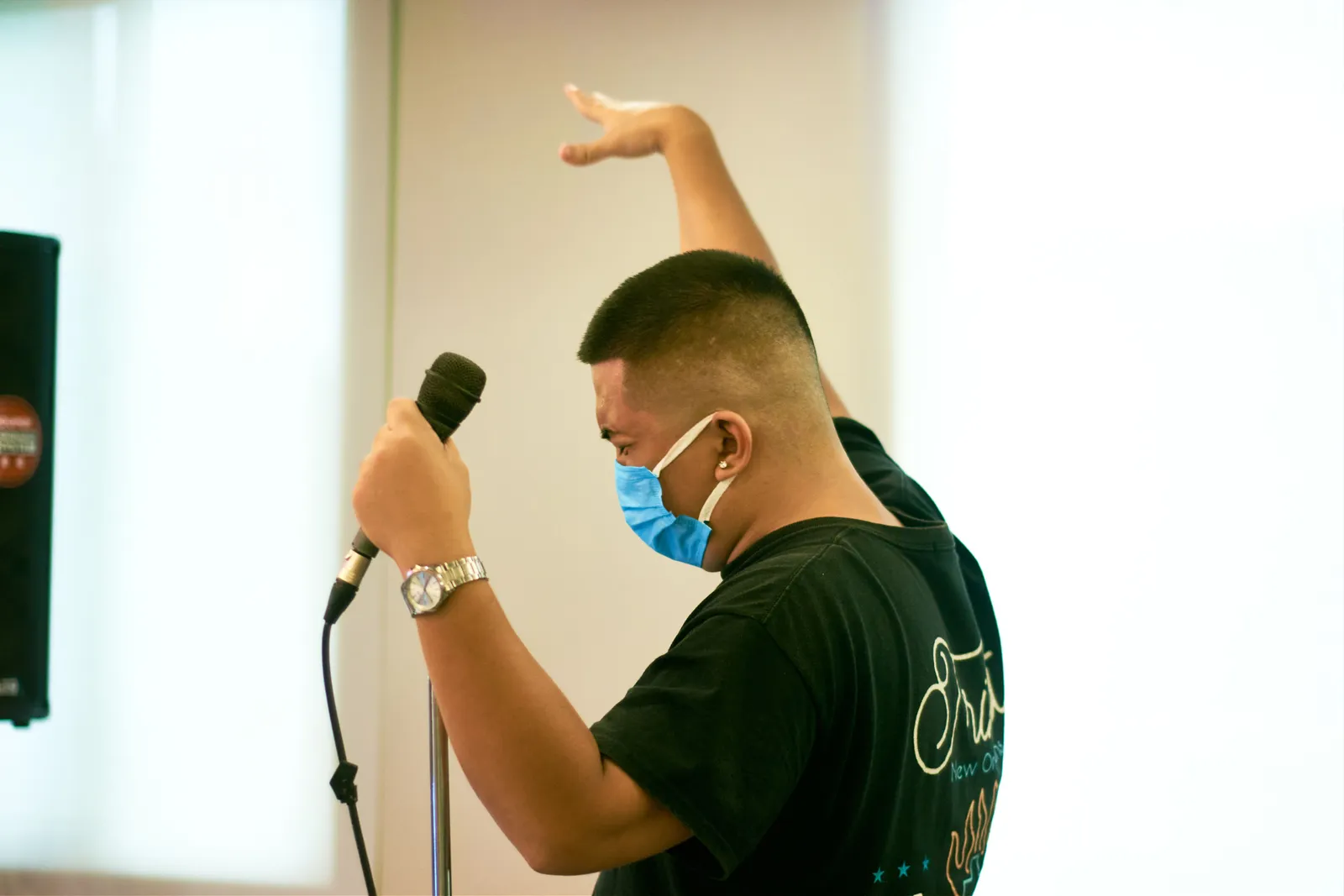
Once the Digital Twin is ready, you type or paste a script, choose the available style and format, and submit a Render. Turnaround varies with the video length, selected quality, and current demand. Watch the result before sharing it.
A simple workflow that scales
- Write one short script per topic instead of one long video.
- Keep scripts in a shared document so people can update them.
- Render a new version when a step changes, without arranging another shoot.
- Change the script and submit another Render when the process moves.
What makes a training video actually useful
The tool only gets you halfway. The other half is the script. Keep each video focused on one task, speak in plain language, and tell people what to do in the order they will do it. Short and specific beats long and vague.
Because the identity and script are reusable, your library can be easier to update. When a step changes, edit the script and render another version. Review the new output before replacing the old one.
Getting started
Pick one process your team explains often. Write it as a short script, set up a consented Digital Twin or choose a synthetic Avatar, and render your first lesson. Review it with a learner or teammate, then decide what to build next.
More from Kyndrify

The tools that do this
Make your first video without filming.
Say what you need and the studio makes it: video, images, voices. Start free, no credit card.